OpenAI Wants AI on the 2028 Ballot
Plus, 🤔How to turn Claude into a content strategist that writes in your voice, OpenAI launches images 2.6 with GIF creation and 50% faster generation, and more!

Hola Decoder😎
If someone forwarded this to you and you want to Decode the power of AI and be limitless, then subscribe now and Join Decode alongside 30k+ code-breakers untangling AI.
🗳️ OpenAI wants to shape AI policy ahead of the 2028 U.S. Election
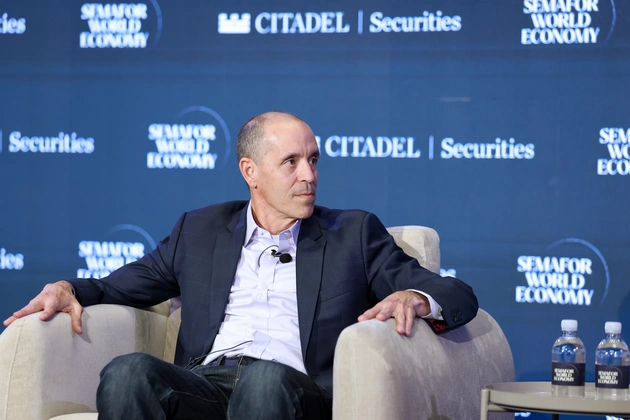
OpenAI is pushing for AI to become a major policy issue in the 2028 U.S. presidential election, proposing a New Deal-style agenda covering jobs, education, AI safety, and data center expansion.
The Shift:
- OpenAI's chief global affairs officer Chris Lehane has proposed five AI policy priorities, aimed at helping Americans benefit from AI while addressing concerns about job losses and economic inequality.
- The proposals include tax incentives for AI training, employee profit-sharing and support for entrepreneurs, although they stop short of requiring companies to share AI-generated profits with workers.
- OpenAI is advocating for expanded data center development and AI adoption in schools, arguing that restricting either could weaken U.S. competitiveness and limit economic opportunities.
- Lehane also supports enforceable AI safety standards, independent evaluations, and emergency shutdown capabilities, despite OpenAI's previous opposition to certain stricter AI regulations.
- Critics argue the agenda prioritizes AI adoption over protecting workers and consumers, raising questions about whether the proposed policies would distribute AI's benefits fairly or strengthen the companies developing it.
OpenAI wants politicians to focus on helping Americans benefit from AI rather than simply opposing its growth. But with concerns about job losses, rising electricity costs and corporate power gaining attention, the real debate ahead of 2028 may be whether AI's economic gains reach ordinary Americans or remain concentrated among tech companies.
Together with New Engen
Before you spend more reaching the same people
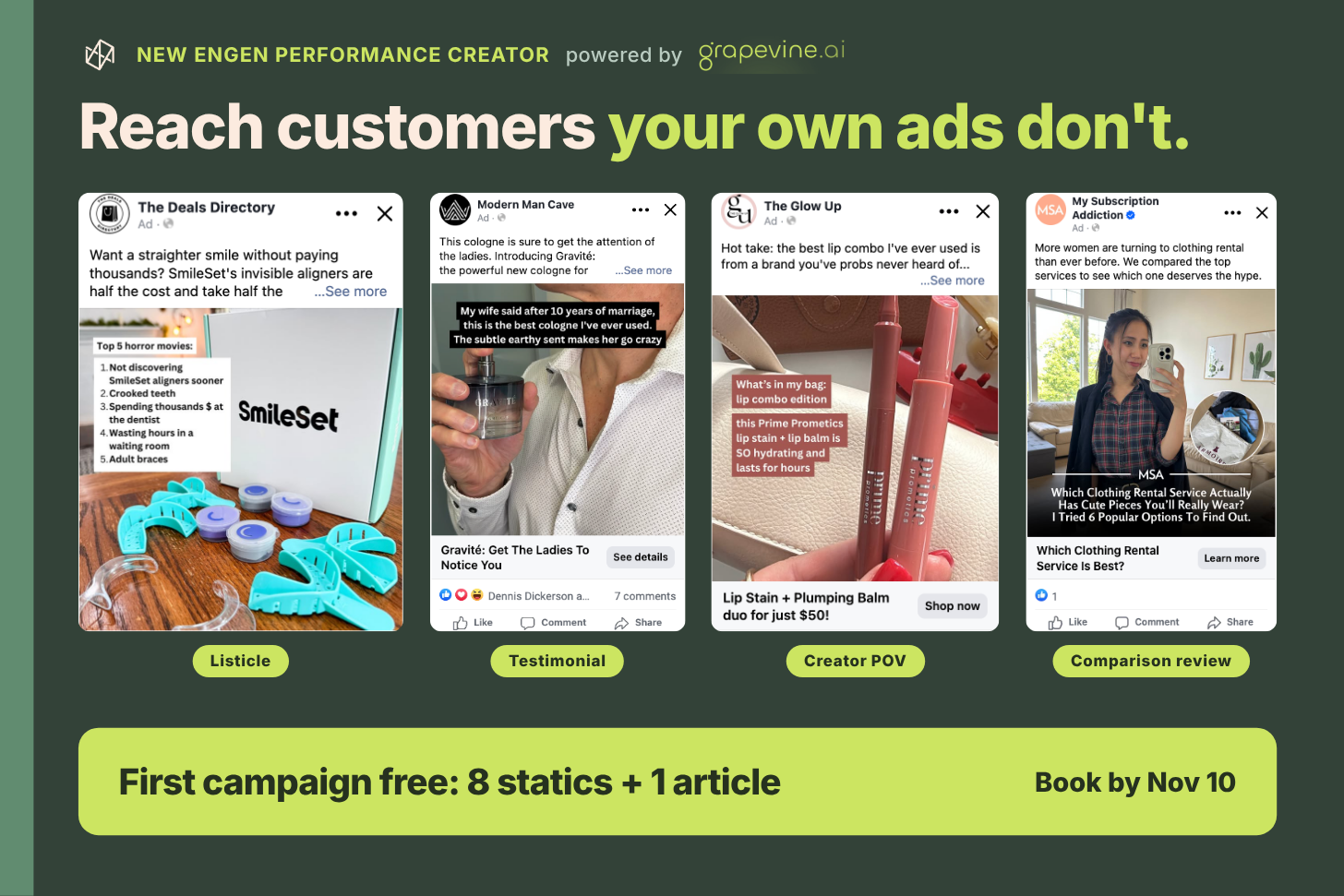
Spending more on Meta without seeing more growth? Your ads may be reaching the same people again.
In a Meta study across 94 marketing mix models, 66% of people reached by partnership ads hadn’t seen the advertiser’s regular ads in the same audience.
Grapevine, now part of New Engen, helps you reach beyond that overlap with whitelisted ads from its publisher handles across beauty, wellness, men’s, parenting, finance, and pets.
- Leave creator sourcing, briefs, and payments to Grapevine.
- Get distinct statics and UGC produced and posted through its publisher handles.
- Keep control of your ad spend while Grapevine supports testing and optimization.
Just Food for Dogs increased Grapevine’s share of its paid media from 15% to 45% in six months.
Your team gets more creative to test without more production to manage.
🤔How to turn Claude into a content strategist that writes in your voice
Claude now connects to Sandcastles for live short-form research and to Wispr Flow for your meeting transcripts. Together, they give you scripts built on what’s winning, written the way you actually talk.
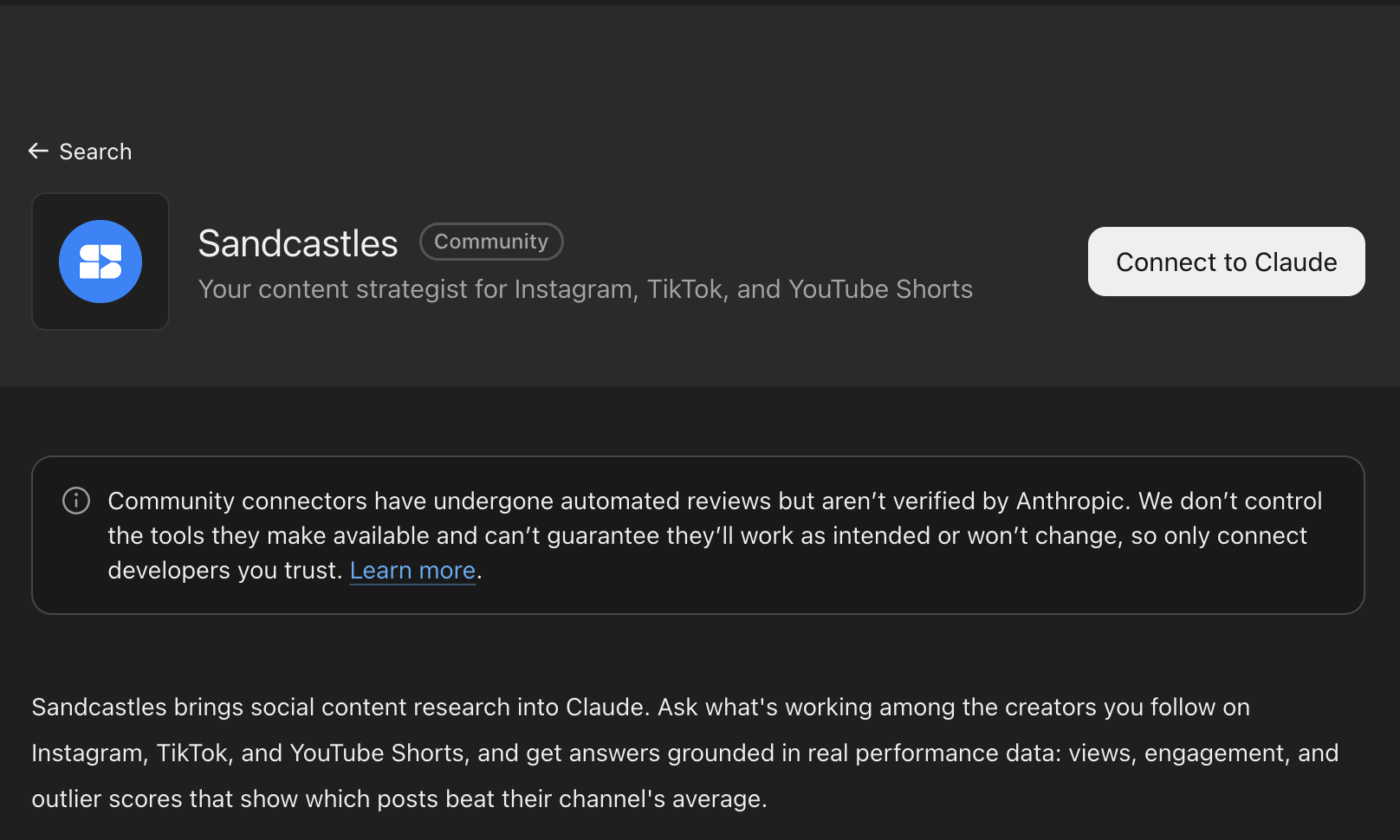
1. Connect Sandcastles - Open claude.ai/directory/sandcastles, add it, and sign in. You need Sandcastles Pro or higher, since the Starter plan doesn’t include the connector.
2. Connect Wispr Flow - In Wispr Flow, go to Settings > MCP and add it to Claude. This needs Notetaker with Cloud Sync turned on. In each chat, switch it on under + > Connectors.
3. Build your voice skill - Turn on Settings > Capabilities > Code execution and file creation, then: “Read my last 10 meeting transcripts in Wispr Flow. Capture how I explain ideas, my phrasing, rhythm, and the words I never use. Save it as a skill called my-voice.”
4. Pull what’s working right now - “Using Sandcastles, show me the hooks and formats outperforming in [niche] over the last 30 days, with example videos.” Searches are free. Each new video analysis costs one Sandcastles credit.
5. Write the batch - “Using my-voice and those findings, write 10 short-form scripts: hook, beats, and CTA. Flag which proven hook each one borrows.”
🎨 OpenAI launches images 2.6 with GIF creation and 50% faster generation
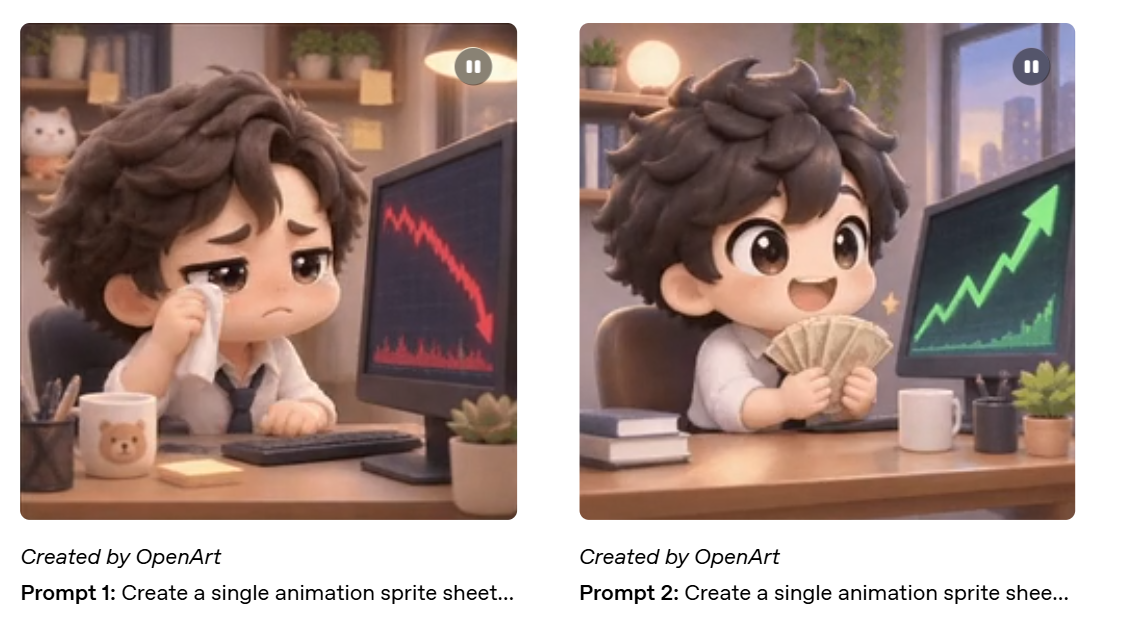
OpenAI has introduced Images 2.6 across ChatGPT, Codex, and the API, bringing faster image generation, animated GIF creation, and more precise editing tools for creators, marketers, and developers.
The Shift:
- Images 2.6 generates visuals 50% faster than before, with the new GPT-Image-2.6 Flare model capable of producing images in as little as six seconds at low-quality settings.
- Users can now turn static images into animated GIFs, making it possible to animate brand mascots, product shots, social media reactions and character sketches without traditional animation tools.
- The new Sunburst model improves image quality and consistency across edits, helping users maintain accurate characters, products and brand details while refining visuals.
- Developers gain image markup, SVG exports and new complexity controls, allowing them to make targeted edits, create scalable designs and adjust how much planning goes into image generation.
Images 2.6 makes it easier to go from a simple idea to a finished visual without spending as much time generating and fixing images. With faster creation, more consistent edits and built-in GIF animation, marketers and creators can produce everything from product visuals to animated social content in fewer steps.
Together with Playbook Pro
Marketing That Pays Dividends Month After Month
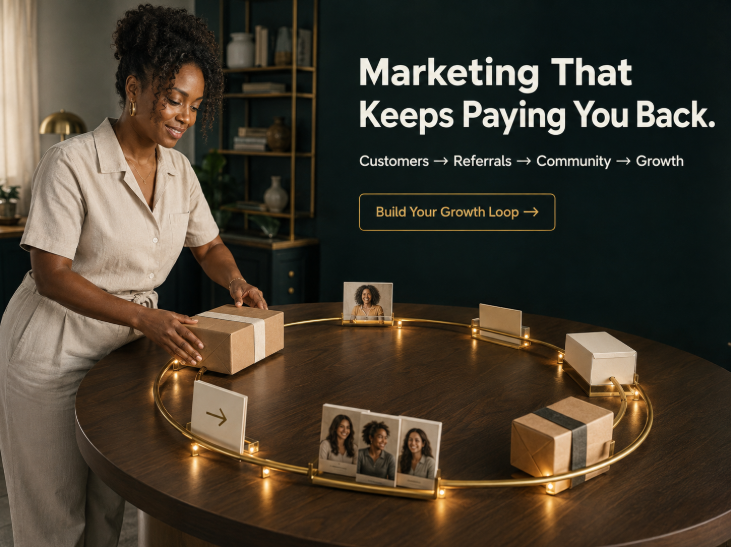
Most marketing dies the moment the spend stops.
The brands winning now design systems where every customer, partner, and conversation keeps growth compounding long after launch.
Networked Growth Engines is a 26-page guide built on live operator data and real growth experiments. Inside, you’ll learn how to:
🔥 Design referral flywheels with the Referral ROI Calculator, crafted with brands that lifted referral-driven revenue by 40% in their first 60 days.
🤝 Forge cross-brand partnerships using the 50-template Outreach Library and ready-to-sign Partnership MoU to double audience reach in under 90 days.
📈 Activate true communities proven to boost repeat purchase rates by up to 28% within a single quarter.
Your current customers are the growth engine.
Get the ebook and Build Your First Growth Loop Now!
🏆 Tools you Cannot Miss:
🎬 OpusClip 4.0 – Turns raw footage and long videos into ready-to-publish short clips with AI editing, captions, and social-friendly formatting.
🎥 Videco – Repurposes a single video into a broader content campaign, helping marketers create multiple assets from existing footage.
🎨 Dessn – Provides an AI-assisted design canvas connected to real website code, allowing teams to refine digital interfaces visually.
🎮 Wanaka Studio – Generates playable 3D games from text descriptions and helps creators publish interactive experiences without traditional game development.
📢 Synter Canvas – Uses AI agents to manage advertising workflows across more than 30 platforms from a unified workspace.
🚀 Quick Hits
💻 Qualcomm is shifting toward AI data centers as smartphone sales decline 20%, forecasting $5 billion in data center revenue by 2027 and $15 billion by 2029 through partnerships with Amazon and Meta.
💻 Meta acquired AI coding startup Conductor for an undisclosed amount, expanding its developer tools capabilities. Conductor lets engineers manage multiple AI agents simultaneously and will discontinue its cloud service on November 20.
🍎 Apple reportedly reduced daily AI usage budgets for engineers from $300 to $200, with further cuts planned as the company looks to control internal AI spending, according to Bloomberg.
📷 Axon faces a class-action lawsuit over its AI-powered license plate readers, alleging violations of California privacy laws by failing to disclose how vehicle data is collected, used, and shared.
💻 OpenAI is acquiring software startup Pierre Computer Company, integrating its AI-focused Code Storage technology into Codex to better connect software development, code repositories, and organizational decision-making.
💻 Prompt of the day
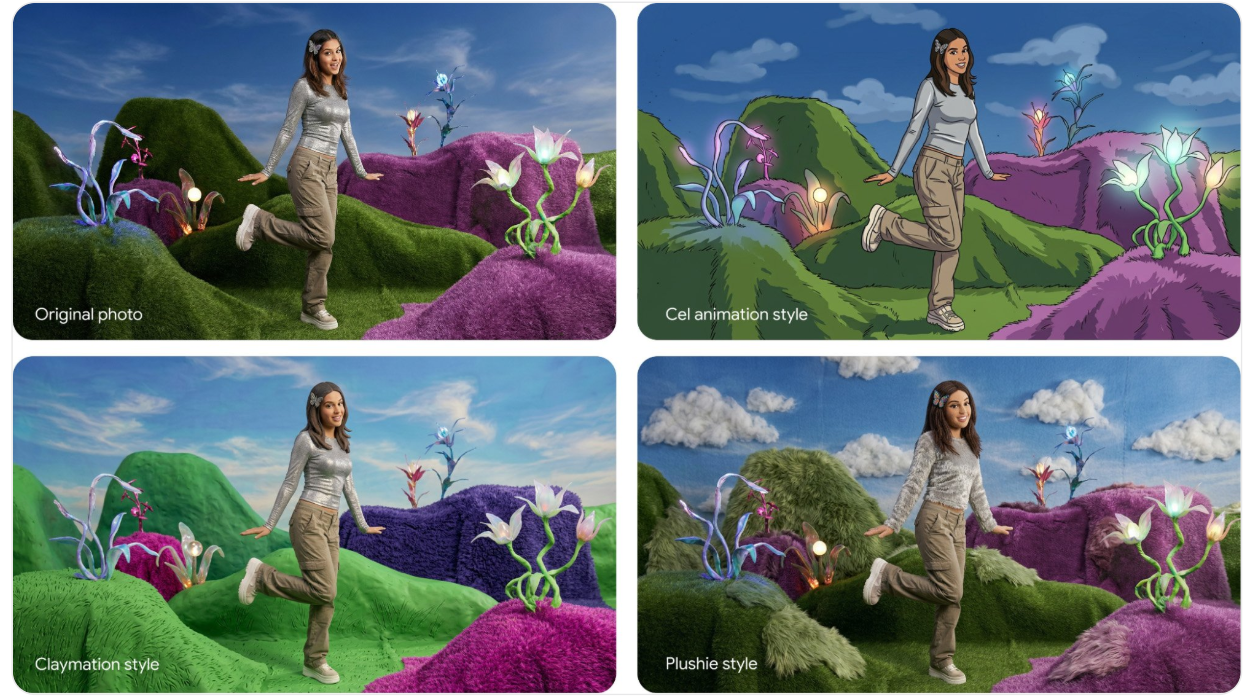
Transform Any Image Using Reference-Based Composition and Style Transfer
Image Editing Prompt: Transform an existing image by combining it with a second reference image, either adding a new object seamlessly into the original scene or transferring a completely different artistic style while preserving the original composition.
Context
- Base Image: [Upload the original image]
- Reference Image: [Upload an object or artistic style reference]
- Transformation Type: [Add an object / Transfer artistic style]
- Desired Result: [Describe the intended transformation]
- Composition: Preserve the original subject, framing, and perspective
- Aspect Ratio: Match the original image
Instructions
Use the first uploaded image as the primary reference for the subject, environment, and composition, and the second image as the reference for the requested transformation. If adding an object, integrate it naturally into the existing scene while matching its scale, perspective, lighting, shadows, reflections, and surrounding textures. If transferring an artistic style, recreate the original image's recognizable subjects, positions, architectural details, and composition using the second reference's color palette, brushwork, textures, and artistic techniques. For example, transform a modern city street photograph into an expressive post-impressionist oil painting with swirling brushstrokes, vibrant colors, and textured paint while keeping the street layout and buildings recognizable. Change only the elements necessary for the selected transformation.
🤳AI Nugget of the Day
Thanks for Decoding with us🥳
Your feedback is the key to our code! Help us elevate your Decode experience by hitting reply and sharing your input on our content and style.
Keep deciphering the AI enigma, and we'll be back with more coded mysteries unraveled just for you!