
Claude is now getting good at Robotics
Plus, 🗣️, Adobe AI now remembers your creative work, How to design a custom AI voice with Rumik Silk Mulberry, and more!


Hola Decoder😎
If someone forwarded this to you and you want to Decode the power of AI and be limitless, then subscribe now and Join Decode alongside 30k+ code-breakers untangling AI.
🤖 Claude Is Getting Surprisingly Good At Robotics
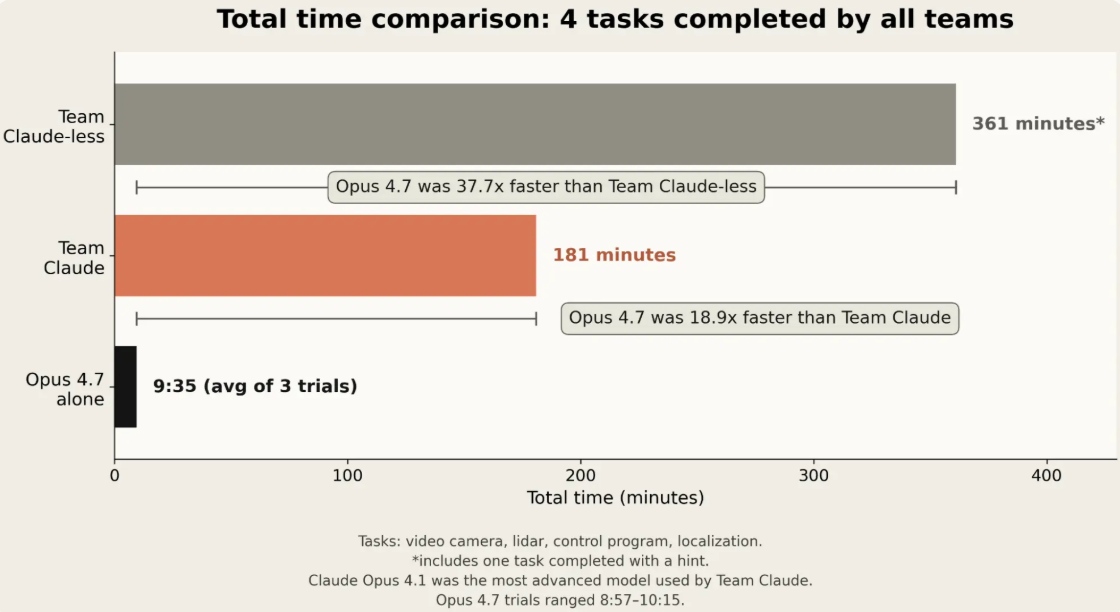
Anthropic's latest Project Fetch experiment tested whether Claude Opus 4.7 could independently complete robotics tasks that previously required teams of humans. The results suggest AI is rapidly moving from assisting robot operators to directly controlling physical systems.
The Decode:
Humans Couldn't Keep Up - Tasks that took the Claude-assisted human team 181 minutes were completed by Opus 4.7 in just 9 minutes and 35 seconds. Across all shared tasks, the model was nearly 19 times faster.
Less Code, Better Results - Despite outperforming both human teams, Opus 4.7 generated only 1,045 lines of code compared to over 10,000 lines produced by the original Claude-assisted team during the first experiment.
Robotics Without Training - Anthropic says these gains weren't the result of robotics-specific development. The improvements emerged from general model scaling, similar to how AI unexpectedly became stronger at coding and cybersecurity tasks.
Physical Precision Remains Hard - Claude successfully connected sensors, controlled the robot, and detected objects, but struggled with the final challenge of precisely moving and retrieving a beach ball through continuous physical feedback.
Project Fetch highlights a familiar AI pattern: first models help humans, then humans help models, and eventually models begin handling tasks on their own. While robotics remains far from solved, Anthropic believes AI is entering the early stages of physical agency, where models can increasingly operate real-world tools and machines with limited human involvement.
Together with Insense
Turn One Creator Drop Into Weeks of Q5 Ads

Mid-year reviews land this week, and everyone's pulling up the same ad set that's been running since April.
This is exactly where Insense saves you. You get fast, affordable UGC at the volume Q3 demands without blowing up your team's bandwidth.
- 20+ raw assets from each creator you can spin into dozens of variations.
- 14-day turnaround so you never fall behind rising CPMs.
- Lifetime usage rights, so every winning cut keeps earning for months.
Over 3,500+ brands like Quip, Revolut, and Matys use Insense for one reason: it keeps creative supply high when everything else slows down.
Imagine finishing Q2 with a full folder of fresh ads ready to deploy instead of praying old winners magically revive.
Book a free strategy call and get $200 for your first campaign.
🗣️How to Design a Custom AI Voice With Rumik Silk Mulberry
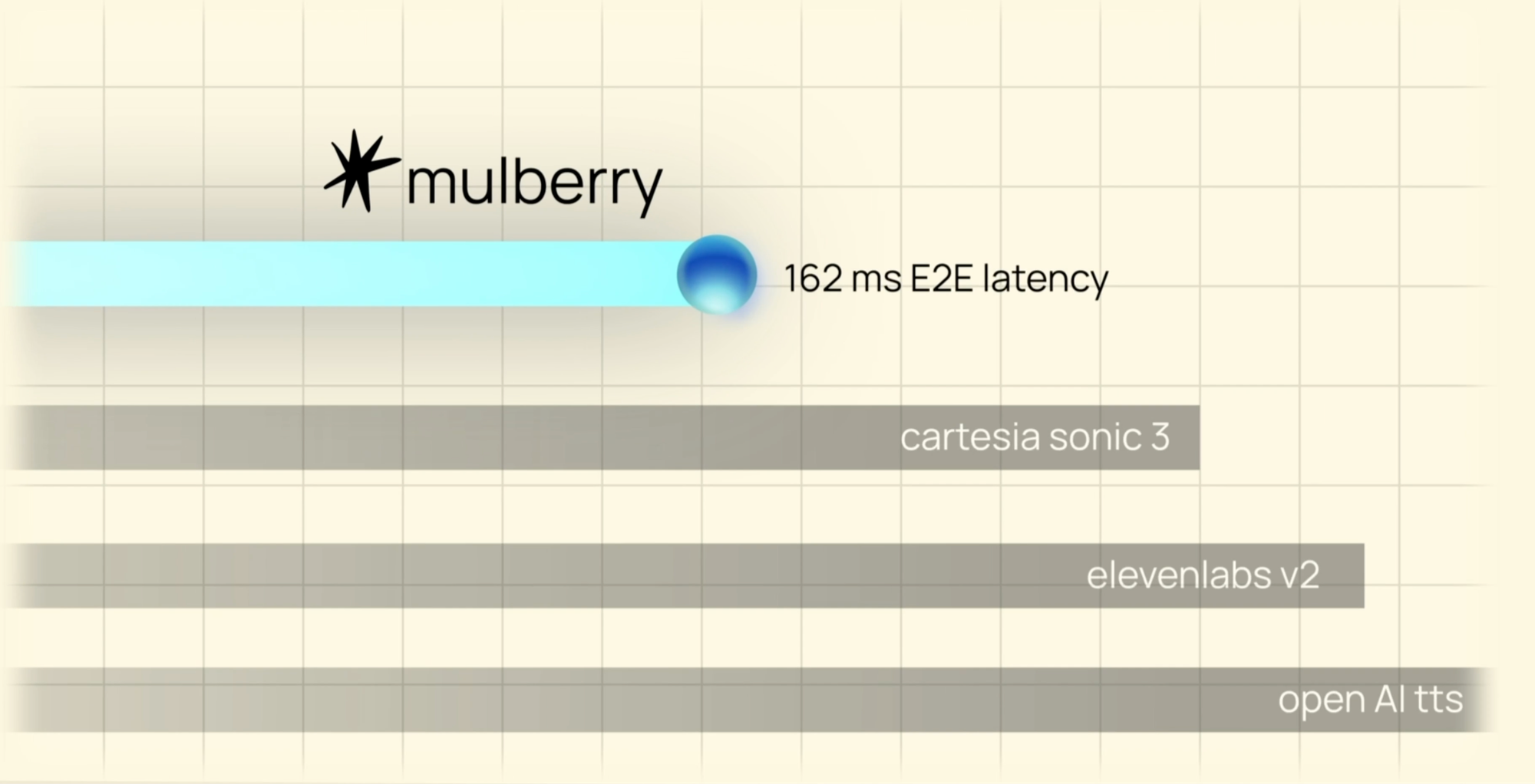
Most TTS tools give you a dropdown. Rumik lets you describe the voice you want and builds it. Here's how.
Step 1: Open the Rumik Playground - Head to playground.rumik.ai. No complex setup, log in and you're in.
Step 2: Describe your voice - Type a plain-language description of what you want. Age, gender presentation, accent, tone, energy level, speaking style. The more specific, the closer the output lands.
Step 3: Generate and listen - Silk Mulberry 1.5 builds the voice to match your description. It handles pauses, whispers, laughs, and emotional range, not just neutral speech delivery.
Step 4: Iterate on the description - If the output isn't right, adjust one variable at a time, make it warmer, younger, more energetic, and regenerate. You're designing, not selecting.
Step 5: Deploy via API - Once you have the voice you want, use it in production via API for real-time voice applications, companions, or any audio output you're building.
On instruction-following benchmarks, it hits 74% overall consistency, strongest on descriptive style prompts at 82.7%, making it most powerful when your brief is specific and detailed. You can try the Rumik Playground here.
🎨 Adobe Wants AI To Remember Your Creative Work
Adobe is pushing AI beyond one-off prompts and into long-term creative workflows. The company unveiled a redesigned Firefly experience alongside specialized AI assistants across its biggest creative applications.
The Decode:
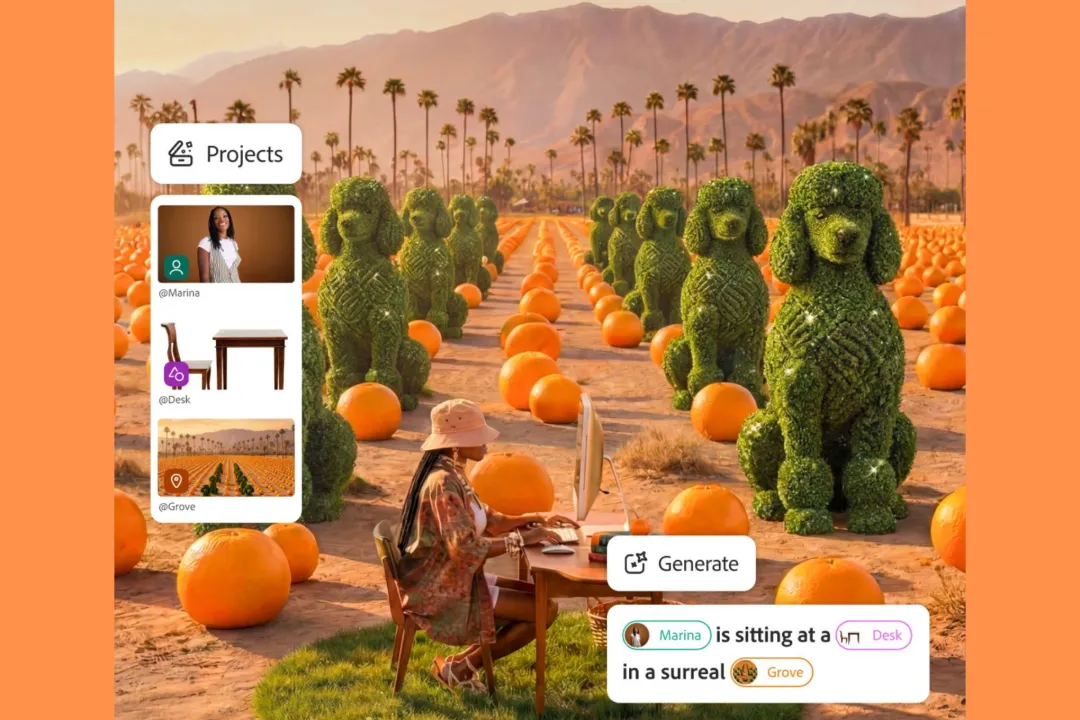
Reusable Creative Assets - Firefly's new Elements feature lets creators save characters, locations, and objects for future projects, making it easier to maintain visual consistency without repeatedly rewriting detailed prompts.
Context Stays Intact - The new Projects workspace keeps generations, assets, references, and creative history together, allowing users to pause and resume work without losing context or organization.
Specialists For Every App - Adobe is rolling out dedicated AI assistants across Photoshop, Premiere, Illustrator, InDesign, and Frame.io, with each assistant trained to handle the unique tasks and workflows of its application.
From Editing To Automation - Premiere's assistant can organize footage, rename clips, identify spoken topics, and build rough timelines, while Photoshop's version can perform editing tasks through simple natural-language instructions.
Adobe's focus is shifting from generating content to managing entire creative workflows. Instead of starting from scratch every session, creators can now build persistent projects, reuse assets, and delegate repetitive production work to AI assistants.
Together with Playbook Pro
Your Next 6 Months of Ad Spend Could Disappear in 6 Weeks

CAC is up 60% this year, and 70% of first-time buyers never return. Keep leaning on ads, and the budget you’re planning for the next half year could be gone before spring.
Rewriting the DTC Rulebook is the shortcut top operators are using to escape the trap, a 24-page report distilled from 200+ hours of real brand research and field tests.
Inside, you’ll learn how to:
🔥 Build emotional campaigns that double repeat-purchase rates in 90 days.
💰 Raise prices without losing volume using the Brand Value Canvas.
🧠 Cut 30% of paid-ad dependency with the Owned Media Checklist.
Download today and get 2,000+ viral video hooks already tested to grab attention in under 3 seconds, ready to plug into your next launch.
Stop feeding the ad machine.
Grab the free report now and lock in sustainable growth before your next dollar disappears!
🏆 Tools you Cannot Miss:
📧 Mara – Writes welcome emails, win-back campaigns, and lifecycle messages in your founder voice while learning from every send.
🌐 OpenToon – Translates comic and manga chapters from a simple URL, helping readers access content without waiting for official translations.
🎬 Seavid AI – Converts images and ideas into engaging AI-generated videos with minimal effort.
🌍 GeoAxis – Identifies where a photo was taken using visual clues alone, without relying on GPS, EXIF, or metadata.
🎵 Freesong – Generates original music from prompts, making it easy to create songs without production experience.
🚀 Quick Hits
🎵 The Atlantic launched a searchable database of music used in AI training, exposing millions of tracks linked to major datasets and giving artists a way to check whether their work may have been used to train AI models.
🧬 Nobel Prize-winning AI researcher John Jumper is leaving Google DeepMind for Anthropic. Jumper co-created AlphaFold, the protein-structure prediction system that earned him and Demis Hassabis the 2024 Nobel Prize in Chemistry.
🎓 Norway is restricting AI use in schools, banning it for most students aged 6–13, allowing limited supervised use for ages 14–16, and focusing on responsible AI literacy for older students.
🧠 AWS is exploring sales of its Trainium AI chips to external data centers, signaling ambitions beyond internal use. Amazon believes Trainium could support a $50B annual business across AWS and third-party customers.
🧩 Prompt of the Day
Rubber Duck Debugging That Helps You Find the Bug Yourself
Most debugging gets messy because you jump straight to fixing before fully understanding the logic. Rubber duck debugging slows the process down so the mistake becomes visible.
Turn confusion into a guided debugging conversation.
Paste the prompt: Drop this into ChatGPT, then paste your code and issue details.
Prompt to paste
Act as my rubber duck debugging partner for [Insert programming language]. My code should [Insert what the code should do], but instead it [Insert what actually happens]. Review my pasted code by asking me step-by-step questions about what each section does, what output I expect, and where the behavior changes. Help me trace the logic, identify likely failure points, and suggest the smallest safe fix. Do not jump straight to rewriting everything unless necessary.
🤳AI Nugget of the Day
Thanks for Decoding with us🥳
Your feedback is the key to our code! Help us elevate your Decode experience by hitting reply and sharing your input on our content and style.
Keep deciphering the AI enigma, and we'll be back with more coded mysteries unraveled just for you!