ChatGPT can now operate your computer
Plus, 🎥Cursor and Luma are automating creative and code, How to generate cinematic videos with NotebookLM, and more!

Hola Decoder😎
If someone forwarded this to you and you want to Decode the power of AI and be limitless, then subscribe now and Join Decode alongside 30k+ code-breakers untangling AI.
🤖 OpenAI Just Released a Model That Can Use Your Computer
OpenAI introduced GPT-5.4, its most capable model yet, combining reasoning, coding, and professional work into one. For the first time, it can operate a computer directly on your behalf.
The Decode:
What is it? GPT-5.4 combines reasoning, coding, and professional work into one model. It's the first OpenAI release with native computer use, meaning it can navigate software, click, type, and complete tasks across applications without hand-holding.
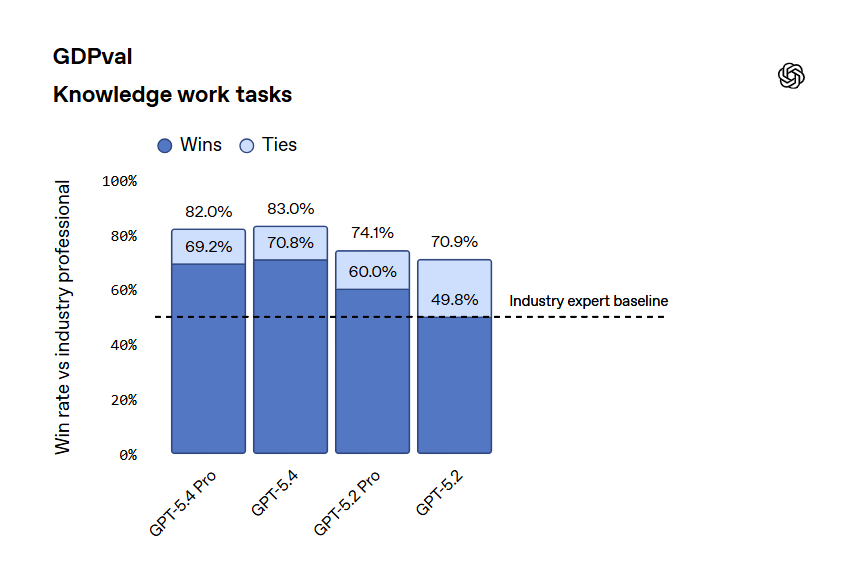
Should I actually care? Yes. On knowledge work benchmarks, it beats industry professionals 83% of the time. Spreadsheet modeling jumped from 68% to 87%. Individual claims are 33% less likely to be false than GPT-5.2.
What does computer use actually look like? It reads screenshots, issues mouse and keyboard commands, and completes multi-step tasks across apps. It scored 75% on desktop navigation, higher than the human baseline of 72.4%.
Who is it for, and how do I get it? Anyone on ChatGPT Plus, Team, or Pro gets access today as GPT-5.4 Thinking. Developers can access it via API. GPT-5.2 Thinking stays available until June 5, 2026.
Every major AI lab is racing toward the same finish line, an agent that replaces the human in the loop entirely. GPT-5.4 is the clearest sign yet that the finish line is closer than most people think. The question isn't whether AI takes over routine knowledge work. It's how fast, and whether you're building with it or waiting to catch up.
Together with Modash
📊 Most Affiliate Programs Fail Because Brands Skip These Steps
You set commission rates. You recruit a few creators. You wait for sales to roll in. They don’t.
Affiliate marketing isn’t passive revenue. It’s a growth channel that only works when the structure behind it is built correctly.
Most brands treat it like a side experiment. The successful ones design it to compound.
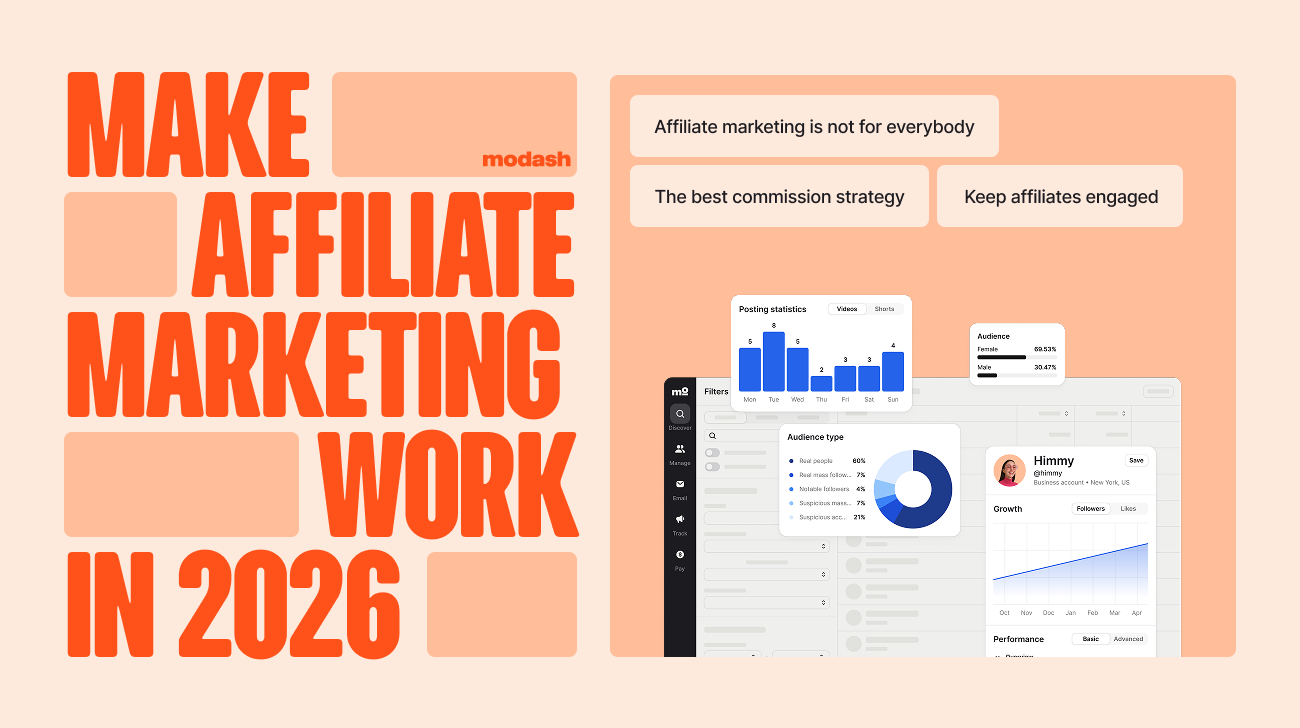
Modash just published the complete A-Z guide to building an affiliate program that won’t flop.
Inside, you’ll learn:
- How to set commission and discount rates using real AOV and margin math
- How to recruit affiliates who drive repeat revenue, not one-off spikes
- How to structure tiers, codes, and tracking so attribution and motivation hold
It includes real commission benchmarks by industry and step-by-step frameworks used by 7 and 8-figure brands.
If you’re building affiliate as a real growth channel in 2026?
🎥How to Generate Cinematic Videos With NotebookLM
Google just turned document uploads into cinematic explainer videos. Here’s how to make one.
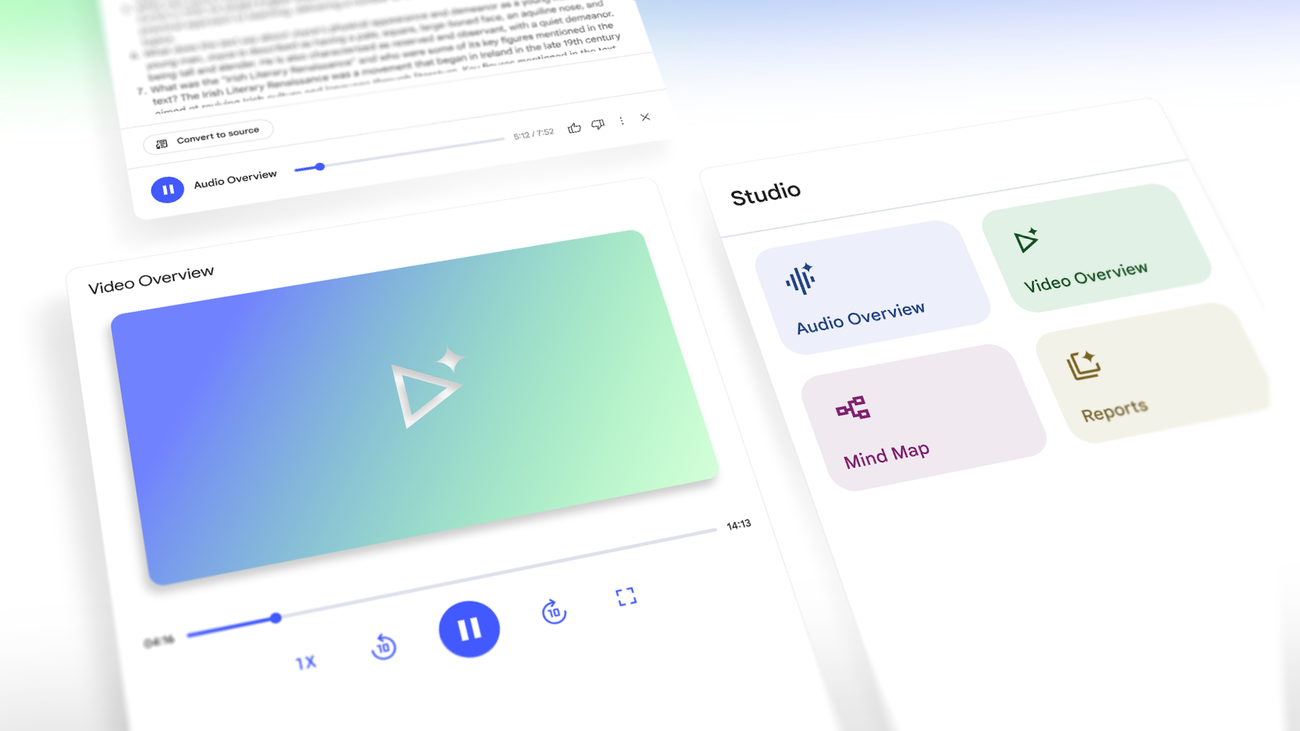
Step 1: Open NotebookLM and create a notebook
Head to notebooklm.google.com and start a new notebook. This is where your source material lives.
Step 2: Upload your sources
Drop in any PDFs, notes, or documents you want the video to cover. A research report, a product brief, a blog post, anything works.
Step 3: Open the Studio panel
On the right side of the interface, find the Studio panel and select Video Overview.
Step 4: Choose Cinematic format
From the format options, select Cinematic. You can add a steering prompt to focus the video on specific topics or leave it open.
Step 5: Hit generate
NotebookLM scripts, illustrates, and animates the video automatically. Give it up to 30 minutes, it’ll notify you when it’s ready.
Step 6: Review and export
Watch the video inside NotebookLM, then download it for your landing page, social, or anywhere else you need it.
Use case: Turn a report or product brief nobody reads into a video someone actually watches. You can try it here.
🤖 AI Agents Are Now Running Creative Campaigns and Writing Code Without Being Asked
Two launches this week show AI agents moving from tools you prompt to systems that work on their own. One handles code. The other handles entire ad campaigns.
The Decode:
Cursor launches always-on coding agents
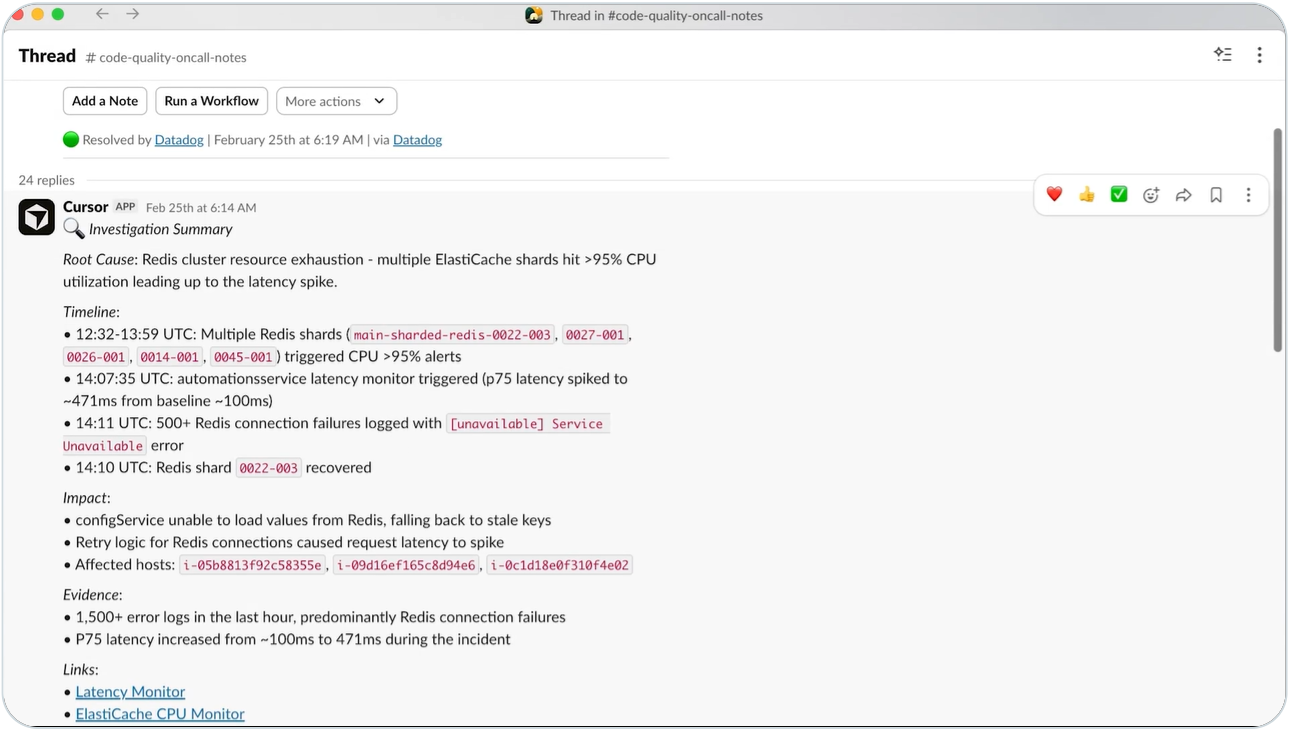
Cursor released Automations, a system that triggers coding agents via codebase changes, Slack messages, or timers. Engineers are notified at decision points rather than manually starting each task.
Bugbot, an existing Cursor feature, now runs security audits and code reviews under Automations. The system runs hundreds of cycles per hour, covering incident response, server log queries, and codebase summaries posted to Slack.
Luma launches end-to-end creative agents
Luma released Luma Agents, built on Uni-1, a multimodal model trained across language, image, video, and audio. A 200-word brief generates campaign variations covering locations, models, and color schemes, with users directing output through conversation.
Uni-1 connects with Google's Veo 3, ByteDance's Seedream, and ElevenLabs for voice. Agents run a self-critique loop, reviewing and refining outputs until results meet quality thresholds.
Cursor hit $2 billion in annual revenue, doubling in three months. Luma is already inside global ad agencies. The pattern is the same across both: the human is still in the loop, just further back. That gap is closing faster than most teams are prepared for.
🥳Events
🔥 A Slow Site Won't Crash. It Will Just Quietly Make Every Ad You Run More Expensive.
March 10-11 | Virtual Event | Free
Three seconds doesn't feel like a crisis. It's enough to push bounce up and force you to buy the same customer twice. Leaders from Varnish and Cloudflare expose what's dragging under real traffic and show you exactly what to hand your team before the next campaign.
✅ Reserve Your Free Spot Before March 10
Can't attend every session live? Register anyway, you'll get the recordings within 24hours.
🔥 The Creative Director at the #2 Shave Brand Globally Is Teaching This Live. Free.
Starts March 17 | 8 Weeks | Free
Guessing which ad will work is not a creative strategy. Motion's Creative Strategy Bootcamp gives you a system: hooks, concept frameworks, AI workflows, and ads you actually film. Plus a private 2-hour workshop exclusively for this cohort. Daniel Rivera runs creative at Harry's. Oren John directed creative for Red Bull and Grey Goose. Seats are limited.
✅ Reserve Your Free Spot Before March 17
Can't attend every session live? Register anyway, you'll get the recordings within 24hours.
🏆 Tools you Cannot Miss:
📊 Tome App AI - Generate complete AI-powered presentations instantly with Tome, built on Claude Opus for fast, structured slide creation.
💰 ProfitMap - Visualize exactly where your money flows, uncover profit leaks, and discover opportunities to add $30K–$100K more in revenue.
🧠 ZeroTwo - Access premium AI models and tools like deep research and Canvas in one unified workspace at a fraction of the usual cost.
🧩 Pillar - An open source app copilot that converts user or agent requests into completed actions directly inside your product.
🎨 Figr AI - Design smarter product prototypes by mapping edge cases, user flows, and decisions first to ship without costly rework.
🚀 Quick Hits
⚖️ Anthropic plans to legally challenge the Pentagon's supply chain risk designation, with CEO Dario Amodei calling it "legally unsound" while maintaining the company won't allow Claude for mass surveillance or autonomous weapons.
🔒 The Trump administration has reportedly drafted rules requiring U.S. government approval for all AI chip exports, giving regulators sweeping oversight over companies like Nvidia and AMD beyond Biden-era restrictions.
🎬 Netflix acquired Ben Affleck's AI startup InterPositive, which builds production tools for processing raw footage, color correction, and visual effects. Affleck joins Netflix as senior adviser alongside the 16-person team.
📈 Anthropic is seeing record daily signups and topping App Store charts across the U.S., Canada, and Europe, as the DOD's supply chain risk designation appears to be driving increased demand for Claude.
⚡ Google, Meta, Microsoft, Oracle, OpenAI, Amazon, and xAI signed Trump's "ratepayer protection pledge," committing to fund their own power and infrastructure for AI data centers amid rising household electricity concerns.
🧩 Prompt of the Day
Smart Packaging Innovations for Digital Engagement
Transform product packaging into an interactive digital touchpoint that continues the brand experience after purchase.
Paste the prompt: Drop this into ChatGPT, then fill in your product type, packaging technology options, and rollout timeline.
Prompt to paste
Create a smart packaging innovation strategy for [Insert product or brand]. Include:
Technology Options: List digital interaction technologies that can be integrated into packaging, such as QR codes, NFC chips, AR triggers, scannable product authentication, or interactive packaging experiences.
Customer Experience Enhancements: Describe features that improve the post-purchase experience, such as tutorials, exclusive content, loyalty rewards, product verification, personalized messages, refill reminders, or gamified experiences unlocked through packaging scans.
Implementation Timeline: Outline the rollout phases for introducing smart packaging, including testing, pilot launch, scaling, and full integration across product lines.
Use Case: Focus on how smart packaging increases customer engagement after purchase, strengthens brand connection, and creates new digital interaction opportunities.
🤳AI Nugget of the Day
Thanks for Decoding with us🥳
Your feedback is the key to our code! Help us elevate your Decode experience by hitting reply and sharing your input on our content and style.
Keep deciphering the AI enigma, and we'll be back with more coded mysteries unraveled just for you!